- contact@saiccameroun.com
- Derrière Pharmacie Bleue de Ngousso
SAIC at the Bange Bank SME Fair: Making Market Access a Driver of Agricultural Development
18
Nov
SAIC at the Bange Bank SME Fair: Making Market Access a Driver of Agricultural Development
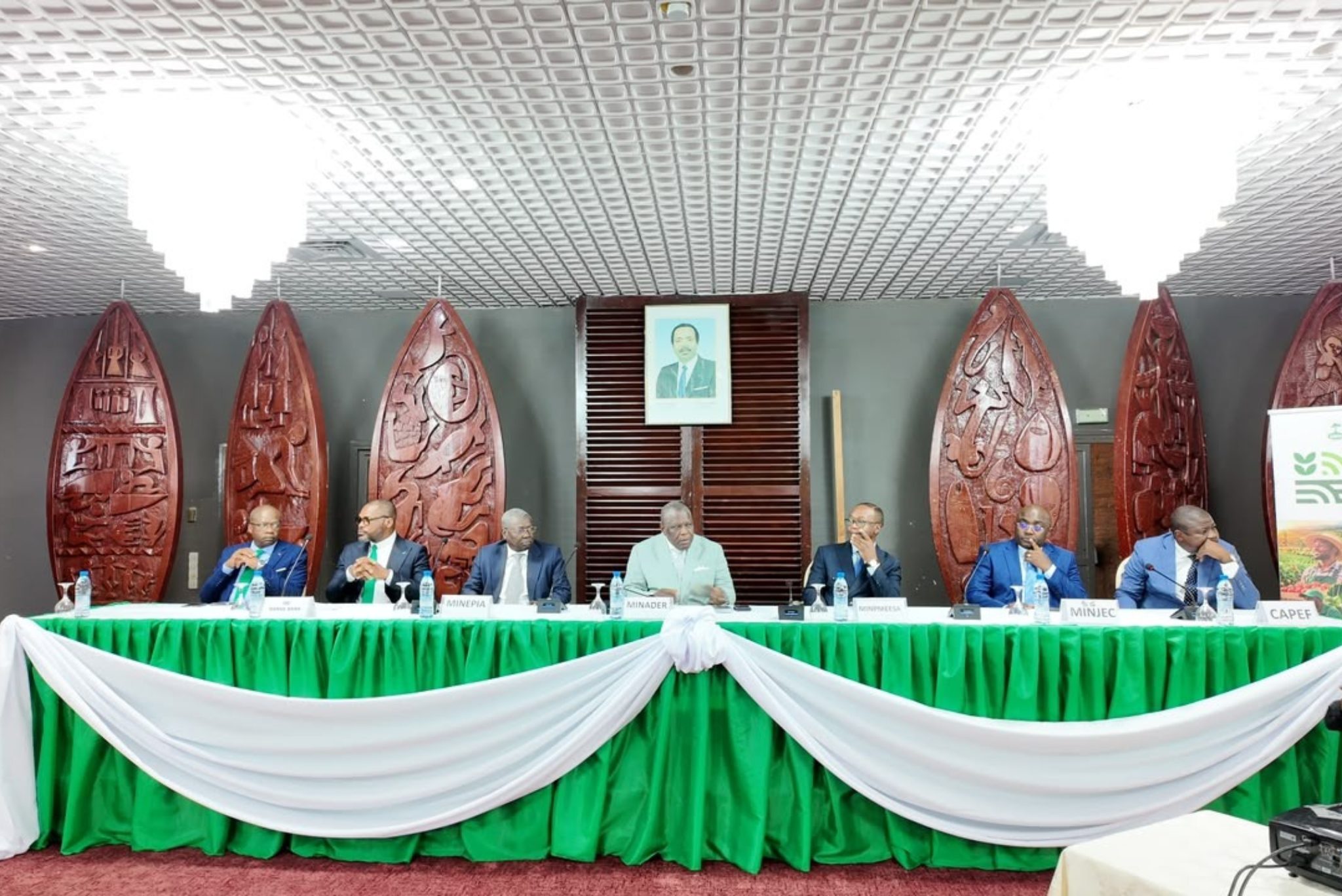
On October 29, 2026, SAIC took part in the SME Fair organized by Bange Bank at the Mont Fébé Hotel in Yaoundé. The event provided an opportunity to showcase the company's activities, engage with stakeholders in the agricultural sector and highlight the challenges involved in marketing Cameroonian agricultural products. SAIC's Managing Director, Ms. Estelle-Laure Pamboro, also participated in the panel discussion dedicated to market access, under the theme: “Producing is good, but selling sustainably is better: How can market opportunities be secured?”
A Meeting Focused on Business Opportunities
Through its participation as an exhibitor, SAIC presented its business model across agricultural value chains: sourcing products from farmers, cooperatives and industrial operators, organizing quality control and logistics, and marketing these products on international markets.
Initially established in the cocoa sector, SAIC has progressively expanded its activities to include several other export-oriented agricultural products, including coffee, maize, ginger, turmeric, hibiscus, groundnuts and sesame.
The exhibition stand served as a meeting point for farmers, cooperatives, processors, businesses and other visitors interested in exploring potential business partnerships.
Securing Market Opportunities: At the Heart of the Panel Discussion
The Managing Director's participation in the market access panel highlighted a key challenge facing agricultural businesses: how can available production be transformed into reliable and sustainable commercial opportunities?
Discussions focused on several important issues: buyers' expectations, identifying stable markets, establishing contractual agreements, meeting quality standards, accessing large companies, developing local processing and expanding into regional markets.
These challenges are closely interconnected. To access structured markets, producers and businesses must be able to supply products that meet buyers' requirements, maintain consistent volumes and fulfil their commercial commitments.
Contractual Agreements and Quality as Foundations for Sustainable Business Relationships
SAIC's commercial model is based on contractual agreements with its suppliers. Purchasing conditions, including prices, are established before delivery, taking into account the product, its quality, volume and delivery location.
This approach aims to provide greater visibility for producers and establish more structured commercial relationships. Payment is made upon compliant delivery, within the timeframe specified in the contract.
Quality is equally important. For products intended for export, requirements include proper drying, sorting, cleanliness and the absence of foreign matter. The applicable criteria are specified in contracts and verified upon receipt.
In the cocoa sector, traceability is becoming increasingly important. Mapping suppliers' plots helps document the origin of products and meet the requirements of international markets.
Connecting Producers to International Markets
Access to international buyers remains a major challenge for Cameroonian agricultural value chains. To address this, SAIC relies on a commercial partnership with CARDINAL, a trading company based in Dubai, which facilitates connections with international buyers.
This arrangement makes it possible to identify and secure market opportunities before purchasing products from suppliers. SAIC then handles supplier contracts, quality control, logistics and export operations in Cameroon.
The objective is to build a structured commercial chain in which each stakeholder understands their commitments and products meet the requirements of targeted markets.
A Vision Focused on Adding Value to Agricultural Value Chains
Local processing and access to regional markets are also important development opportunities discussed during the panel. Processing agricultural raw materials locally offers the potential to strengthen the competitiveness of value chains and generate greater added value in Cameroon.
By participating in the Bange Bank SME Fair, SAIC reaffirmed its commitment to improving the marketing of Cameroonian agricultural products and developing sustainable commercial relationships with farmers, cooperatives and businesses.